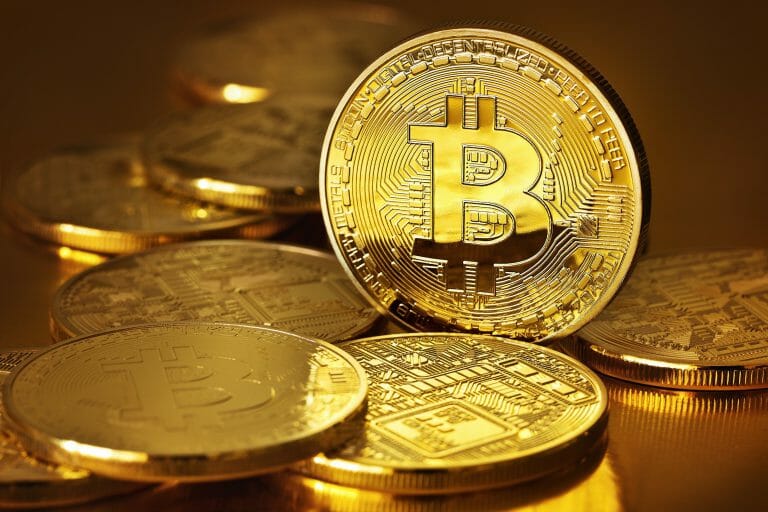
Bitcoin Whales: Signs of a New Accumulation Phase?

Bitcoin whales seem to be pointing towards a potential coin accumulation trend. Is this the start of a new bullish cycle?

Bitcoin whales, those investors with large amounts of the cryptocurrency, seem to be pointing towards a potential coin-hoarding trend this week, according to daily data. This is an unusual weekly trend, in contrast to previous weeks where sends to centralized exchanges (CEXs) predominated.

Generally, when movements towards accumulation portfolios are predominant, the price of Bitcoin tends to rise. In the last 7 days, the pioneering digital currency has shown a growth of +1.38%, according to data from CoinMarketCap. This situation brings some relief in the midst of a downward balance trend in CEX, a situation that affects the entire crypto market, especially Ether and Bitcoin.

Is This the Start of a New Bitcoin Bull Cycle?

Now that the Bitcoin whales seem to be leaning towards an accumulation stance, the question arises as to whether or not this is the start of a new bullish cycle. The answer to this question is not easy and depends on many factors. For this analysis, only transactions over 400 BTC are taken into account.

Therefore, by only using transactions of 400 bitcoins or more, the complete whales’ movement is not taken into account. Some of these large holders tend to move thousands of coins in much smaller transactions.

This means that this analysis should not be assumed as an exact clue of what may happen to the price of Bitcoin from the whales’ movements. At most, it should be taken as a rough sample to scale.

Bitcoin Whales and their Impact on the Market

Bitcoin whales have increased their shipments to accumulation wallets, which can be defined as a bullish bias. As already mentioned, in the last seven days, the Bitcoin price has marked positive ground.

Bitcoin whales seem to adopt a different behavior than in previous weeks. In the last seven days, they seem willing to accumulate, which points to a possible bet on the rise in the price of cryptocurrency. For most of the year, shipments toward possible settlement, that is, toward CEXs, were clearly predominant.

In any case, this week, of the 128,035 BTC that were traded in shipments of 400 coins or more each, 84,052 BTC were sent to the unknown wallets (accumulation). This represents a strong 65% of all large orders. In parallel, some 7,200 BTC moved between CEX, which is equivalent to 6% of all transactions.

Although the latter has little to do with price, it indicates that the whales are busy arbitraging CEXs instead of seeking liquidation. In regards to shipments to exchanges, which means possible liquidation, these totaled 36,783 BTC this week, 29%.

Thus, the Bitcoin whales point towards a new strategy, or at least that is what it seems. However, to define whether this will be a strong accumulation trend that will positively impact the price, it is necessary to observe this week’s results. It should not be forgotten that the whales’ movements are not the only factor affecting the price of Bitcoin, although it is one of the most important.

By Audy Castaneda

Hong Kong Police Introduces ‘CyberDefender’, an Innovative Metaverse Platform

The platform’s main objective is to educate people about the potential dangers that can arise within this digital realm.

The Hong Kong police introduced a new Web3 platform called “CyberDefender Metaverse” as part of their technological advances. To mark this milestone, the police force hosted an inaugural event titled ā€œExploring the Metaverseā€ within the virtual realm.

In an effort to increase public awareness of potential risks related to Web3 and the metaverse, the Hong Kong police launched this metaverse platform. To encourage discussions about crime prevention strategies within the metaverse, the event was held in three virtual locations.

The event was specifically organized on the newly launched platform and aimed to engage participants in proactive conversations on how to ensure security within this digital realm. During the event, Chief Inspector Ip Cheuk-yu, member of the Cyber ​​Security and Technology Crime Bureau (CSTCB), gave a comprehensive presentation on the risks associated with Web3.

With great concern, he stressed to the attendees that the metaverse presents potential dangers such as fraud, hacking, theft, and sexual crimes. In addition to addressing the risks posed by the metaverse, the event placed significant emphasis on the use of digital assets by modern cybercriminals.

Attendees were briefed on the progress made in the fight against cryptocrime and ongoing efforts to mitigate its impact. By delving into this aspect, the event provided valuable insight into the evolving cybercrime landscape and the progress made to curb illicit activities involving digital assets. Ip Cheuk-yu stated the following:

ā€œAll crimes in cyberspace could also occur in the metaverse, such as investment fraud, unauthorized access to systems, theft, and sex offenses.ā€

Furthermore, he explained that decentralization could potentially increase the risk of asset theft.

ā€œThe decentralized nature of virtual assets on Web3 may also increase the likelihood that cybercriminals will target endpoint devices, virtual asset wallets, and smart contracts,ā€ he stated.

Evident Increase in Criminal Activities within the Metaverse

According to the Hong Kong police force, the city witnessed a staggering 2,336 virtual asset-related crimes in 2022 alone. These incidents inflicted substantial financial losses of $1.7 billion on the victims.

The seriousness of the situation becomes even more evident since in the first quarter of this year 663 cases of a similar nature were already reported. Alarmingly, reported losses during this short period amounted to $570 million, showing a troubling 75% increase, as compared to the same period in 2022.

Such statistics underscore the pressing need for proactive measures to address the growing trend of related virtual assets crimes, as well as to protect people from significant financial harm.

Revised Anti-Money Laundering Regulations Published

This week, along with the introduction of the new metaverse platform, the Hong Kong Securities Regulatory Commission (HKSRC) released revised anti-money laundering (AML) guidelines.

The informative guide describes the tactics used by criminals to launder money through digital assets and offers comprehensive measures for financial institutions to protect themselves from illicit commitments.

These updated regulations will be applicable to all companies involved in virtual assets and entail increased Know Your Customer (KYC), as well as due diligence obligations.

By Audy Castaneda

Banco do Brasil Include 14 Participants in its CBDC Pilot

The final list of 14 participants was drawn up from 36 offers submitted by individuals and collaborating entities, totaling more than 100 institutions.

The digital currency of the Central Bank of Brazil will initially focus on wholesale interbank transaction payment solutions. The Banco Central do Brasil plans to include more participants in its digital currency scheme. The list, published by the bank on May 24, includes the names of all the participants with whom the actual digital CBDC will launch.

It should be remembered that in 2022, the Brazilian CBDC pilot was officially announced, revealing the plan to create a real digital pilot. This digital currency would be linked to the national fiat currency, the real, ensuring a stable value. To maintain control and manage its supply, the digital real would be minted gradually over time, resulting in a fixed and limited issuance of the currency.

Brazil Digital Real Pilot Will Start with 14 Participants, including Visa and Microsoft

Intending to fully launch in 2024, Brazil’s central bank announced the start of its Central Bank Digital Currency (CBDC) last year. The initial purpose of the solution is to facilitate wholesale interbank transactions, and it will eventually be accessible to customers through tokenized bank deposits.

The CBDC solution aims to make transactions settle instantly and reduce overall transaction costs. This phase of the digital real-world pilot aims to test the privacy and programmability features to ensure that the process of sharing information between various participants on the platform is easy. It will also test the programmability and interoperability of the services offered by the participants.

Participants in the recently published list include both individual entities and collaborators. They include names like Bradesco, Banco Inter, Microsoft and 7comm, XP and Visa, Hamsa and LoopiPay, ItaĆŗ Unibanco, Microsoft in collaboration with other institutions, and the Bank of Brazil.

The list includes a wide range of organizations, including cooperatives, public banks, payment solution providers, financial market infrastructure operators, crypto asset service providers, and payment agreement providers.

With all of these entities in place, Brazil’s central bank intends to add the chosen participants to the digital pilot platform by June 2023.

With a population of 214 million, the largest country in Latin America continues to attract global cryptocurrency companies. Its size and importance make it an attractive destination for companies in the cryptocurrency industry.

Brazil CBDC Pilot to Initially Focus on Wholesale Payment Solutions

Brazil’s CBDC, real digital, is an extension of the physical Brazilian currency. It can be exchanged for traditional currency and will have the same price and value as traditional currency.

This initiative will promote greater inclusion of Brazilian citizens in the financial system. The solution combines the features of fiat and digital currencies, allowing the digital currency to benefit from the price stability attributes of fiat currencies while leveraging Blockchain technologies for faster and more secure transactions.

One of the reasons the solution focuses primarily on wholesale rather than retail transactions is that Brazil already has an established digital payment system, Pix. Pix is ​​already one of the largest eCommerce payment solutions in Brazil, launched in 2022 and currently used by more than 60% of Brazilians.

Rather than trying to compete with this established solution, Banco Central do Brasil will follow the Pix model in other areas of financial services, particularly at the wholesale level.

By Audy Castaneda

Bitcoin: Why a Bear Trap Will Boost the King Coin?

BTC could be leaving its previously formed bear trap. A bullish divergence could set the stage for a short-term rally.

Over the past seven days, the value of Bitcoin [BTC] has declined by 7.14% while consolidating around the $26,700 region. However, the rest days could be closed, according to a tweet posted by Gert van Lagen.

Move away from Knees and Toes

According to the technical analysis specialist, BTC had formed a ā€œperfectā€ head and shoulders bottom below the 200-day simple moving average (MA). This triggered a bear trap bottom in preparation for a bullish crossover.

Gert van Lagen’s tweet reads as follows:

ā€œ$BTC [1W] – Perfect Head-and-Shoulders bottom formed below the weekly SMA200. A successful double bullish retest of the neckline/SMA200. Perfect #beartrap/bottom W4 before #blowoff top/W5.ā€

Used by traders to identify price reversals, a bearish head, and shoulder has three peaks, with the middle one going higher than the others. In a case like this, BTC could reverse an uptrend.

However, according to Lagen’s chart, the pattern represents a bearish to a bullish trend, as the middle peak fell incredibly lower than the sides, signaling a possible end to the downtrend.

Before his last observation, the analyst had pointed to a historical trend of momentum, correction, and explosion. There he pointed out that it was the current situation of BTC.

On May 20, he told his 71,900 followers that Bitcoin could be in line for a large degree of bullish movement, as described by Elliotwave momentum:

ā€œ$BTC [1W] – Elliottwave impulse 2019-2023

Wave 1 – Impulse

Wave 2 – Correction, Sharp Zigzag

Wave 3 – Impulse, momentum

Wave 4 – Correction, Expanded Flat

Wave 5 – Impulse, Blow-off

Target Wave 5: 170-200k.ā€

Attempts Already Underway

Interestingly, Lagen was not the only party to share the bullish sentiment. In a May 26 post on CryptoQuant, Eralp Büyükaslan, BTC was forming a bullish divergence similar to the bearish top breakout of November 2022.

The crypto investor and analyst also pointed to the negative trade net flow as another reason for a short-term bullish move. When there is a negative value of the indicator, it means that the outputs are overwhelming inputs.

Thus, a possible outcome, when prolonged, could be a sign of accumulation. This, in turn, could turn bullish for the asset price.

From a technical standpoint, Bitcoin’s volatility appears to be contracting. Recently, particularly on May 25, the price broke out of the area where it touched the bottom of the Bollinger Bands (BB).

This move means that BTC had broken out of the oversold zone, even when the price was nowhere near the upper band. Recently, the RSI was at 43.02, up from 38.36 on May 24.

The latest news indicates that this morning, BTC was up 0.99% at $27,152. A bullish start to the day saw BTC rise from an opening price of $26,803 to a high of $27,191. BTC breached the first resistance level main (R1) at $27,008 and the second main resistance level (R2) at $27,130. Reports that US President Joe Biden and House Speaker Kevin McCarthy reached a tentative debt ceiling deal supported the early break.

Although the slight rally represents a bearish momentum movement, BTC buyers may need to neutralize the dominance of sellers to solidify the potential uptrend.

By Audy Castaneda

Bitcoin Main Version 25. Goes Live, What Should you Expect next?

The new Bitcoin Core 25.0 version, the main software for Bitcoin network nodes, is now available. This includes improvements to P2P network usage, minimum transaction size, and RPC systems.

BTC reacted favorably to news of the upgrade, making gains of 1.03% at the time of publication.

The latest version of Bitcoin [BTC] Main, version 25. was released on May 26th and included a number of new features, bug fixes, and performance improvements. This New version adds support for more operating systems.

CoinMarketCap data revealed that BTC reacted favorably to news of the update, absorbing gains of 1.03% to trade at $26,712.55 at the time of publication.

What Brings Bitcoin Main 25. to the Table?

Bitcoin Core is the primary client program for Bitcoin Crimson. It allows users to configure their node on the blockchain and verify transactions sent by other users.

Bitcoin Main is an open-source program, so anyone can view and propose updates. A single company or organization does not own it, but a worldwide development community maintains and reviews it.

One of the most notable improvements was support for non-face-to-face transactions of 65 bytes and larger. This opened up additional use cases of smaller transaction sizes and improved protection against CVE-2017-12842, a vulnerability discovered in an earlier version of Bitcoin Core.

In addition, new scanblocks remote procedure calls (RPC) were introduced as part of the update, which will ensure fast wallet scans. The RPC node is a type of computer server that allows users to read data on the blockchain and send transactions to different networks.

This RPC allows obtaining relevant blockhashes from a set of descriptors by scanning blockfilters in a given range. This functionality can be combined with other RPCs to perform fast wallet scans.

Regarding RPC updates, all JSON-RPC methods will accept a new parameter called “args”, which makes it easier to pass some parameter values.

The sendrawtransaction RPC incorporates a new optional argument called maxburnamoun”. This argument allows specifying a maximum value for unspendable outputs (UTXO). Transactions containing outputs with a value greater than maxburnamount will not be sent. This change provides more control over transactions and avoids sending unwanted transactions.

In addition, improvements were made to other RPCs, such as testmempoolaccept and decodescript, which provide more information on rates and transaction sizes. There are also improvements in the ability to infer Miniscript descriptors for spending using P2WSH.

Investors Were in Two Minds

According to Sentiment data, BTC development activity has been trending downward since late March, with a slight recovery seen over the last week,. Developer activity is a critical indicator for measuring the growth of a blockchain network’s potential. A drop can suggest that future improvements may be delayed, affecting network adoption.

After rising earlier this week, BTC’s weighted sentiment fell to its neutral level; this indicated that investors were not uniformly aligned with any single market view.

By Marina Meza

Steep Decline in Ether Balance on Exchanges: Analysis and Outlook

Detailed analysis of the Ether balance decline on cryptocurrency exchanges and its possible implications for Ether volatility and price.

The balance of Ether, Ethereum’s native token, on cryptocurrency exchanges, has experienced a significant drop, reaching a low not seen since April 2018. This decline has generated growing interest in the crypto market, as it could have important implications. for the volatility and price of Ether.

In 2018, the crypto market went through a harsh winter, characterized by a loss of investor motivation after a major crash. Today, the balance of Ether on exchanges appears to be following a similar trend. The decline in the balance of Ether, the second most important coin in terms of capitalization after Bitcoin, has been constant for several months, beginning in September 2022 and becoming more pronounced in November and December.

Currently, the amount of ETH on cryptocurrency trading platforms has dropped to 17.86 million ethers, marking the most drastic decline in the last 5 years.

Implications of Ether Balance Decline on Exchanges

As the Ether balance trend on exchanges continues to decline, concern among investors is intensifying. A low balance sheet can lead to a slump in liquidity and a significant increase in currency volatility.

According to data from Glassnode, as of Thursday, only 14.85% of all ether was stored in exchange wallets, as compared to 25-26% supply held during the 2021 bull run. Although this situation can increase volatility, it cannot be lightly dismissed as a negative. In fact, it does not mean that investors have lost interest in Ether, quite the opposite.

The scarcity of coins available on buying and selling platforms is largely due to staking. Investors are placing their coins with validators to earn interest, which is causing acute shortages. In the short term, this situation could lead to an increase in the price of Ether. The FTX collapse is a factor that prompted many to move their crypto assets from exchange wallets to self-custodial wallets; the second, and most important, is the Shapella update.

The scarcity of a cryptocurrency is often interpreted as a bullish sign, as there is a limited supply for a market that could start demanding more at any moment. If interest in the crypto market increases, the price of Ether could experience a strong boost due to the low balance available on exchanges.

Magnitude of the ETH Shortage

The movement of assets off exchanges is considered a bullish sign, indicating that users are not looking to sell at the current price. In the case of Ethereum, re-locking ETH is the most obvious reason for the decline in supply on exchanges.

Major cryptocurrency exchanges such as Binance, Bitfinex, Kraken, and others that supported the Shapella upgrade saw a significant withdrawal of ETH from their wallets, leading to a decline in the current balance.

As with Ether, Bitcoin exchange balances have also fallen sharply to 5-year lows. Some experts argue that staking held for unacceptably long periods of time and falling coin prices are behind the under balance.

However, it seems that investors are leaning towards holding their ethers for the long term, preferring to long-stake Ether rather than liquidate it on exchanges. In summary, the fall in the availability of ethers is a complex issue that can have multiple causes and implications for investors.

By Audy Castaneda