Renminbi, China’s National Currency, Will Become a Cryptocurrency

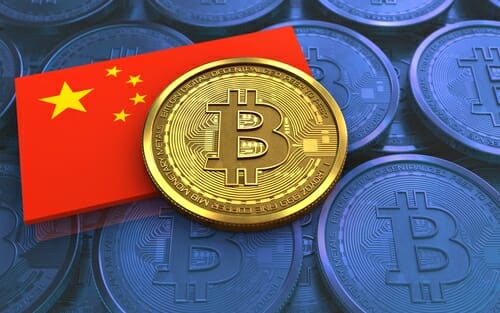
According to expert Donald Tapscott, who recently had a meeting with Chinese authorities, the Renminbi (which is an official local currency) will soon become a cryptocurrency. The piece of news was made public via an interview with Bloomberg this week, precisely on April 17th.

Tapscott is currently the Executive Chairman of the Blockchain Research Institute. He revealed that he recently met with the Vice-Chairman of the Communist Party in China, who emphasized the pro-blockchain orientation of Xi Jinping, the current Chinese President. According to the leader, the technology is one of the most prominent for the future of the Asian nation.

The Renminbi (RMB) is known as the official currency of the People’s Republic of China. Its basic unit is the Yuan, which is often confused internationally with the national currency. The case is similar to that of Great Britain, where the sterling is the currency and the pound acts as the unit. The Renminbi is issued by the global authority in the matter, the People’s Bank of China.

Banning Cryptocurrency Mining

As of now, China has banned cryptocurrency exchanges, which may sound contradictory. In that regard, Tapscott stated that the country’s authorities are mulling the possibility of taking a similar path with cryptocurrency mining, too. The executive provided his insight about the subject.

“It’s not really necessary to do that [to ban exchanges and mining] because in 20 years we are not going to be using bitcoin in China. Chinese people will use the RMB, only the RMB will become a cryptocurrency. The central bank of China will turn it into a digital currency,” he said after having met with the mentioned personalities.

In the interview, Tapscott was asked whether decentralized exchanges could operate in the Asian giant, which also happens to restrict ICOs (Initial Coin Offerings.) To that, the expert replied that they could indeed operate there, but that Chinese authorities clearly want to curtail digital assets.

According to the Blockchain Research Institute leader, China will foster decentralized exchanges, even more so than centralized ones, because they have the ability to detect “bad behavior” and are most transparent overall. He says that every relevant asset in the country, even securities, will be on decentralized exchanges.

“Wasted Resources”

It is clear, and has been for quite some time, that the government wants to ban crypto mining. In fact, the National Development and Reform Commission (NRDC) included the act as part of a draft for a revised list of activities that they are targeting with the intention of shutting them down. According to the NDRC, these performances (mining included) “lacked safe production conditions, seriously wasted resources, polluted the environment,” and more.

Despite the aforementioned, China is a major force when it comes to the Bitcoin (BTC) market. Some of the largest mining pools are operated by Chinese entities, and the nation had 11 mining farms as of 2018. They stand to suffer if the NRDC plans come to fruition.

The country is also one of the most prominent places for blockchain development. China leads all nations in number of ongoing blockchain projects, with 263, the equivalent of a quarter of the worldwide production.

By: Andres Chavez

Pakistan Considers Digitizing Its Government Processes with Blockchain Technology

This technology will boost the commercial platform and ensure efficiency and transparency in the administration of official institutions

The Prime Minister of Pakistan, Imran Khan, participated in a meeting where he presented the intention of his country to digitize governmental processes in that territory. Blockchain, being a decentralized technology, promotes unique records.

The piece of news was granted this Wednesday, April 17th. Among the aspects that the officials are taking into consideration in these projects are the benefits offered by information technology solutions, such as the blockchain technology, to government management. Khan said that some of these benefits would be of greater efficiency, transparency and the improvement in the provision of services by the Government.

The Special Assistant to the Prime Minister, Sayed Zulfiqar Abbas Bukhari, invited a team of Pakistani information technology experts from the United Arab Emirates to provide counsel to Khan about the steps to be taken in the digitization of government management.

Among the possible developments for Pakistan that were discussed at the meeting held in Islamabad is a high-quality commercial platform for Pakistan, since the improvement of the commercial sector could lead the country to the next level of efficiency in its financial relationships.

The Prime Minister believes that the digitalization of processes is a “fundamental” element to ensure efficiency and transparency in the administration of official institutions.

In that sense, Khan stressed that emerging technologies can help address some of the main obstacles that hamper the growth of the Pakistani economy.

“Digitization will also create much-needed synergies among government organizations to ensure the provision of services without friction and improve the ease of doing business in the country”, he said.

Opening Doors

This is not the first time that Pakistan implements blockchain technology. The country began to welcome this technology last January thanks to the initiative of Telenor Microfinance Bank (TMB) and Valyou, based in Malaysia, for cross-border remittance service.

As part of the strategic plan of the Financial Action Task Force (FATF), Pakistan implemented a blockchain system in banking systems to prevent money laundering and attract workers’ remittances in Malaysia.

Although in the past Pakistan applied radical measures against cryptocurrencies, preventing local banks from making transactions related to them, the country seems to be more sympathetic to blockchain technology. Recently, the Finance Minister and Deputy Governor of the State Bank of Pakistan, Jameel Ahmad, even talked about the possibility of launching a cryptocurrency by 2025.

Previously, Abdi Qamar, a spokesman for the State Bank of Pakistan, said: “The deployment of blockchain technology does not mean that Pakistan has allowed international financial transactions in Bitcoin and cryptocurrencies, which are still banned in the country. The central bank has allowed the use of technology, which has thousands of uses”.

Bitcoin and other cryptocurrencies were banned by the State Bank of Pakistan in 2018 because the public institution considered that cryptographic currencies can be easily used to defraud the country’s residents.

By María Victoria Rodríguez

New Record in Transactions with Bolivars is Registered by Venezuela through Localbitcoins

Although Venezuela does not register the highest volume of operations with Bitcoin in contrast with other moments, the amount of bolivars invested is the largest registered by the country within the platform

As a consequence of the changes in the prices of Bitcoin and the main cryptocurrencies during the last weeks, Venezuela once again registers one of the highest volumes of trading operations within the trading platform LocalBitcoin.

According to the Coin.Dance portal, Venezuela is the country in the region with the largest amount of operations within the platform with the main cryptocurrency. However, although the weekly figures for the amount of BTC traded are smaller than at other times, the platform indicates that during the same period Venezuelan users invested the largest amount of bolivars registered to the date.

Figures Registered by Coin.Dance

Citing the Coin.Dance portal, Venezuelan users traded a total of 1,596 bitcoins per week between March 30th and April 6th. This indicates a drop of about 40% in relation to the amount of BTC traded per week at the beginning of February, when the platform registered a volume equivalent to about 2,487 units of digital currency, the highest figure in the country’s whole trading history through LocalBitcoin.

However, by way of those 1,596 bitcoins, Venezuelan users invested a total of Bs. 26,849 million (more than US $7.2 million), according to the average exchange rate to the dollar managed by the DolarToday website.

Other Interesting pieces of Information

To confirm this information, DiarioBitcoin reviewed the list of purchase/sale orders published by Venezuelan users in the platform, finding some important factors in the trading offers.

There is an evident difference between the price established by the sellers for the digital currency and the estimated value. According to the Bitven.com portal, the price of Bitcoin (according to the rate managed by DolarToday) is about Bs. 19,851,912 (approximately US $5,180), but most users value the digital currency at more than Bs. 20,115,000, sometimes charging the equivalent price in US dollars or other currencies.

Although Venezuelans already find it customary, the price of Bitcoin fluctuates very quickly in really short periods of time, but not exactly for the rise of its value in dollars. This derives progressive changes in the referential value used by buyers and sellers, who constantly adjust prices to avoid losses, considering diverse indicators.

Devaluation and Cryptocurrencies

Experts and analysts assert that the huge investment in bolivars established through LocalBitcoins is directly linked with the devaluation of the national currency, which loses value against currencies like the US dollar and the euro, generating the rise in the prices of a large amount of products and services.

Faced with the limited availability of world-renowned currencies, citizens prefer investing their bolivars in cryptocurrencies. Many consider this option to be a mechanism to protect them from the inflation that affects the national currency, which is estimated by the Venezuelan National Assembly in more than 2,295,981% per year.

However, problems are becoming worse due to the recent electricity problems that affect more than 80% of the territory, which hinder the access by even more citizens to basic products and services. The situation also affects the ability to make payments or transfers through digital media, a viable option amidst cash shortage. It is striking that, despite the lack of electricity, users try to access the portal to acquire cryptocurrencies.

Despite those problems, cryptocurrencies are becoming an increasingly popular form of sending, receiving and saving money. These constitute one of the most practical channels to send remittances to Venezuelans from abroad, precisely because it is an immediate and economic process, in contrast to other better known means.

By Willmen Blanco

Cryptocurrency Remittances Can Be Sent without Using Platforms like Coinbase

Coinbase has created a system to send remittances with XRP and USDC, dispensing with BTC

Last April 2nd the crypto asset exchange house, Coinbase, announced the creation of a strange remittances service. They say that this exchange platform would allow using XRP or USDC, the crypto asset linked to the dollar created by Circle, to send cross-border remittances “without commissions,” as long as the recipient of the funds also uses an account within them.

The company affirms that this new service allows performing these operations much faster than through the traditional system, but also more efficiently than with other cryptocurrencies, due to the transaction confirmation speed and its cheap commissions.

Alternative to Bitcoin

Coinbase is not really innovating with this new service, since cross-border payments with a global reach and resistant to censorship can be done with bitcoins, but without third parties, like in this case. Bitcoin has already been taken advantage of to send remittances for years, providing an expeditious vehicle for such an end.

Considering this, it is relevant to ask the reason for choosing XRP and USDC above BTC. Maybe there are other interests beyond offering a faster and cheaper service, such as they assert when they propose those cryptocurrencies but not others.

Besides, at the moment of doing this kind of operations, it is important to decide between the speed and the irreversibility of the transactions. People may wonder why they must choose using a centralized service for sending remittances using tools designed to prescind third parties, which is supposed to be the purpose of these crypto assets.

These services “without commissions” only work with users of the platform, and the main incentive is that recipients can obtain their funds directly in fiduciary money. These crypto assets are hard to settle, and so Coinbase becomes an essential (and centralized) actor within the remittances system. In order to benefit users, they should choose an option with great liquidity like BTC, which can be exchanged even in P2P portals.

“Convenience” of the New Coinbase Service

USDC is a crypto asset linked to the dollar created by Circle, a company ally of Coinbase, a reason why the company offers this currency as a competitive option. If the idea is to avoid the volatility associated with BTC, it would be better to use crypto assets linked to a longer-term trajectory within the ecosystem. Beyond the company’s commercial interest, the real competitive advantage of their offer of USDC for sending remittances is not clear.

XRP and USDC can be the most adequate for smaller international money transferences, due to their faster processing and smaller transaction tariffs. USDC also has the additional advantage of being exchangeable for a US dollar, instead of being volatile regarding the price, like other cryptocurrencies.

Coinbase

Besides, the company repeatedly suggests the “advantages” of using its services, that is, that beyond the potentialities of the cryptocurrencies themselves it is their structure which provides true value to users, which might be a marketing strategy.

USDC works as a token on the Ethereum network, so mobilizing funds in this crypto asset is not really cheap (users must pay for moving the token and gas of the transaction in Ethereum). Consequently, the “zero-commissions” service will eventually have to change its model to be profitable.

XRP, the cryptocurrency that focuses on the customer with a corporate and bank profile, had been practically ignored by this exchange house until very recently. However, all its potentialities as a crypto asset suddenly become outstanding, even over other options.

The competitiveness of these crypto assets in front of traditional instruments for sending remittances may be certain, but suggesting that these are the best options of the crypto asset market is only based on the little clear criteria of Coinbase.

Given the functionality of this remittances service, customers are little affected if the cryptocurrency uses the exchange house in this system, since these operations are settled in fiduciary currency. Therefore, crypto assets should be chosen for the customer’ own convenience and willingness.

Payments with Bitcoin payments can be sent globally, without depending on third parties (such as with Coinbase). As this is the crypto asset with the highest liquidity, users can receive their funds in BTC and settle them in several exchange houses or P2P exchange platforms. Customers are advised to choose tools for centralizing rather than decentralizing value exchange through centralized services like that of the American company.

By Willmen Blanco

Three Percent of US Retirees Have Bitcoins but 33% Do Not Know Cryptos

Gold IRA Guide magazine interviewed more than 1,000 adults aged 50+. Some of them are interested in investing with bitcoins, but do not know how to get started

A survey conducted by the Gold IRA Guide magazine, dedicated to publishing information related to precious metals, indicated that about 3% of US retirees affirmed to have some bitcoins (BTC) on their wallets. However, 33% of the retirees interviewed said they did not know the cryptoactive.

The information was published on April 17th. It had as sample more than 1,000 US retirees aged 50+, from coast to coast, to whom the interviewers asked questions related to the investment in the creation of Satoshi Nakamoto.

According to the results of the survey, the remaining 56.7% of the respondents (slightly more than one in two) knew Bitcoin, but were not interested in investing and only around 3.5% said that they would like to invest in bitcoins, but they did not know how to start. This would show that the youngest population is the main one in using digital assets, which were born ten years ago with Bitcoin.

Also, the survey found that 4.5% of retirees expressed interest in investing in bitcoins, the main cryptocurrency worldwide, but they decided to first observe the behavior of this crypto, in lieu of deciding to invest in it.

Specifically, 32.9% of the interviewed said they “have no idea what Bitcoin is”. This result is far from the form of investment of the so-called “millennials”, or generation of the year 2,000 and up. Another study showed that younger people defend the use of cryptocurrencies. Approximately 25% of them already exchange crypto-assets and another 31% would be interested in acquiring cryptocurrencies.

Educating the Community

The Gold IRA Guide magazine also used Google Surveys. The specific question it asked was: How do you feel about investing in Bitcoin? Some graphics of the study provide a lot of insights into the investing mind of the retiree and what the defenders of Bitcoin might be able to do around this demographics’ opinion.

Taking into account the results of the interview, the crypto community would have to work on educating retirees about the use of cryptoactives, since retirees are always interested in alternative assets that can help them to diversify their portfolio against market fluctuations.

Volatility in cryptocurrencies prices is perhaps one of the aspects that some citizens have seen as negative. However, that same volatility could be one of the most attractive points for young investors. The truth is that there are stablecoins to minimize these risks and that, whilst the cryptocurrency market continues to take shape, blockchain technology is beginning to be used both in the medical industry and in public administrations in different countries, for efficient contracting, exports, and in other fields.

Recently, the trade publications Global Custodian and The Trade Crypto published a joint study which found that 94% of donations during 2018 were destined to investments related to cryptocurrencies.

By María Victoria Rodríguez

Notary, the File Service Available in Bitcoin Cash

The registration of information to preserve property rights is possible through micropayments, which are less than USD $ 0.03

More and more people know Bitcoin Cash as a digital currency that has obtained a good commercial reputation, but few know all the properties it has.

A service provided by the Bitcoin.com team allows users to notarize documents and files in the digital currency platform to guarantee the right of ownership without expending a lot of money as it happens with the traditional ways.

Photos or video files could be stored in the Bitcoin Cash (BCH) blockchain, linking it to the time of submission. The tool acts like a digital record book that facilitates the verification of documents at a later stage.

With Notary, the cost of each operation is only about 0.00005 BCH, the equivalent of less than USD $ 0.03. This application is an alternative that takes advantage of the features offered by the blockchain technology to register files in exchange for very accessible prices.

One of the advantages of Bitcoin Cash is Bitcoin Cash’s notary service, which consists in allowing users of that network to assign a HASH on the cryptocurrency blockchain platform to an image, document or file to guarantee its authenticity or safeguard the ownership of a file.

This notarial tool is available on the Notary.Bitcoin.com website, where interested parties can use it by making micropayments and without the need to reveal confidential information of the user.

How does it Work?

To make use of this service, users must enter the Bitcoin Cash page and locate the file they wish to notarize in the tab called “Notarize”.

As a second step, the user must make a payment equivalent to about 0.00005 BCH or USD $ 0.03. Then, the service will create a digital test that is registered in the Bitcoin Cash blockchain. This includes a time stamp that sets the exact moment of registration in the network to prevent counterfeiting.

When the operation is ready, the HASH remains as a record to verify the authenticity of the files in the tab identified as “Verify”.

The process to authenticate a file is very similar to the one of registration. But, in this case, the user must index the image, document or file in the respective space of the platform indicated for this. The file will not be uploaded to the Bitcoin.com server.

If the file matches the originally registered version, the service redirects the users to a section where they can verify that the document was duly notarized and indicates that it is the authentic version of that file. This is also in case the official version gets lost.

The user will be able to see his proof on the blockchain by checking the transaction in a block explorer.

Different countries use blockchain technology and its registration qualities to store information, avoid plagiarism and even preserve copyright, thanks to the fact that the blockchain also keeps the data referring to the creation date and the course followed by a text or object.

By María Victoria Rodríguez