Tighter Regulations Emerge Due to the Drop-in Bitcoin’s Price

Governments and banks contemplate implementing greater regulations due to the 30% drop in the price of Bitcoin. The restrictions that the authorities impose on exchanges could put users’ privacy at risk.

Regulators in several countries believe it necessary to implement greater surveillance over the digital finance ecosystem, without stifling innovation. The reasons for this are the volatility of cryptocurrency markets, the risks of financial crime, and the growing popularity of crypto assets.

In countries like China and Sweden, they are currently developing their own central bank digital currencies (CBDC). Their authorities took tight measures against [decentralized] crypto assets, contributing to a market contraction of nearly 30%.

Some British banks, including Starling, Monzo, and Barclays, have also suspended transfers to cryptocurrency exchanges. They allege that there is a potential increase in suspicious money laundering financial activity, according to the British daily Telegraph.

Governments Show Concern about Decentralized Cryptocurrencies

For its part, the administration of US President Joe Biden is investigating “gaps” in the monitoring of cryptocurrencies. They are analyzing how to prevent someone from using them to finance criminal activities or terrorism.

The president of the US Securities and Exchange Commission (SEC), Gary Gensler, is also concerned about cryptocurrencies. He said that it is necessary to implement legislation on exchanges, highlighting money laundering and illicit activities as the main objective.

According to media reports, the SEC could reject eleven applications for the authorization of Bitcoin exchange-traded funds (ETF). Although the past market crash would be one of the reasons, the commission has not yet decided on it.

In Mexico, Santiago Nieto, head of the Finance Intelligence Unit (UIF) of the Treasury, has shown his concern about Bitcoin and other cryptocurrencies. He has called for the National Banking and Securities Commission (CNBV) to regulate these types of assets. In that way, he hopes that it will be possible to create risk models that prevent money laundering.

Regulations Could Put Users’ Privacy at Risk

The regulations applied to exchanges and cryptocurrencies are part of the objectives of the Financial Action Task Force (FATF). The latter seeks to mitigate the alleged risks that cryptocurrencies pose regarding the financing of terrorism and money laundering.

The supervision of service providers with crypto assets becomes stricter at the request of the international group. That involves greater know-your-customer measures and sharing user data between different providers.

Likewise, there is an expansion of the category of crypto asset and service provider. That includes stablecoin issuers, decentralized exchanges, DeFi tools, and even developers. This global coordination would put at risk the privacy of users, which is the essence of decentralized cryptocurrencies like Bitcoin.

Some of these regulations have already proven ineffective in the past. For example, China’s ban on using Bitcoin within the territory has not prevented the rise of its clandestine use. Since 2013, the government of China has banned the use of Bitcoin at least seven times, but it has not stopped growing.

By Alexander Salazar
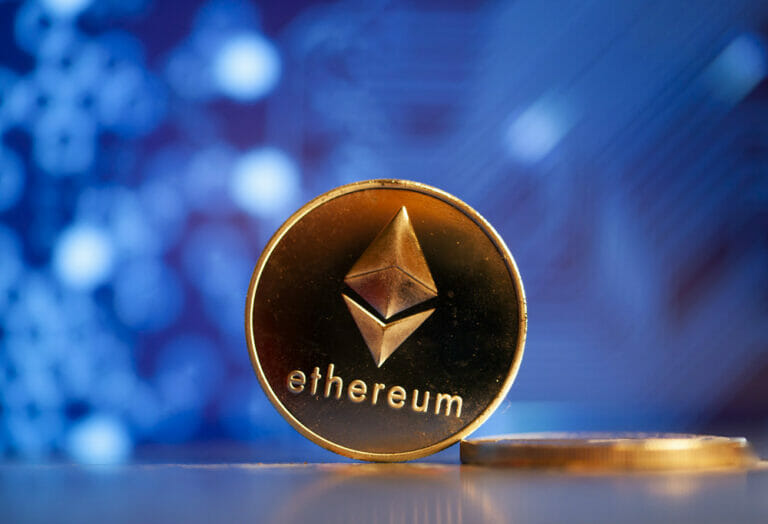
Fixed a Bug in EIP-1559 that Would now allow Attacks on the Ethereum Network

In EIP-1559, there was no limit to offering tips to miners. Although this fix vulnerability implies a big improvement, it is necessary to test if the patch works.

The Ethereum EIP-1559 improvement proposal, whose main goal is to reduce commissions on the network, had a vulnerability that would permit a malicious actor to create congestion in the blockchain, making it difficult or impossible to use it. The error has already been amended in a new proposal code.

Martin Holst Swende, a security leader at the Ethereum Foundation, was the one who spotted the problem. EIP-1559 did not include a limit on the maximum amount of “tip” that miners can reach, if the amount is too high and many transactions occur in this way, the network could suffer an overload. This can be a potential denial of service (DoS), an attack against mempool.

The problem became a serious topic in a developer call that took place on May 28, right after Holst Swende identified the struggle. Tim Beiko, a researcher at the Ethereum Foundation who took part in the call, explains that, without the implementation of EIP-1559, this kind of attack becomes possible because it is necessary to have the proper funds to pay for the commissions.

Instead, after this improvement proposal was activated, it would be possible to propose any amount as a tip to the miners, even if there are insufficient funds. Too many of these “fake tip” transactions could render the network unusable.

Along with the problem Swended detected, he rapidly came up with a solution. This solution consisted of adding four lines of code to the enhancement proposal, preventing tips from being set with “incredibly large numbers.” In addition, it is established that “the sender must be able to cover all the maximum resources that he claims.”

EIP-1559 on Ethereum is an Expected and Questioned Alternative to Fix Vulnerability

The improvement proposal will face its implementation in June, in parallel with the London hard fork. In summary, this EIP will set a basic commission, which will go through burning procedures, and the chance of awarding tips to miners.

Those users who are optimistic about this implementation expect that EIP-1559 will create a reduction in commissions on the network, as well as a decrease in the inflation rate of ether (ETH), Ethereum’s native cryptocurrency.

In addition, there are those users who are skeptical that this event would ever happen. Among them is Taylor Monahan, founder of MyCrypto. She argues that the only thing that defines what people pay is what the market agrees for them to pay.

For this reason, users would tend to offer higher amounts as tips so that their transactions face their confirmation first, as is currently the case with commissions. In addition, the price of “gas” after EIP-1559 will also reach a high peak if the price of ETH rises.

If Monahan is right, the only seemingly viable solution to the problem of high commissions will be the use of second layer solutions or side chains, while waiting for Ethereum 2.0 to arrive with its new rules of the game.

By: Jenson Nuñez

Low Energy Bills Make Bitcoin Mining Gain Ground in Argentina

This situation leads Bitcoin miners to make big profits but there is no stability due to political polarization. Many see the cryptocurrency as a hedge against the tight controls on the US dollar and the devaluation of the Argentine peso.

Bitcoin mining is a business that consolidates in countries like Argentina, where energy is cheaper. Along with the growing popularity of cryptocurrencies, miners now find fertile ground for their activities.

Miners capitalize on the “inefficiency” of state intervention in the economy, according to Bloomberg. Thanks to the ruling party’s policies, electricity prices remain low to retain voter support.

Crypto-asset miners are the economic sector that is making the most of this situation. In addition to low energy rates, weather conditions make Argentina an ideal place for ASICs. Mining devices produce high temperatures because they work at a high speed. Therefore, cold weather helps miners keep their equipment working in good condition.

Despite Profits, There Is No Stability for Bitcoin Mining

Although this situation allows those who mine Bitcoin in Argentina to make huge profits, that does not mean that there is stability. The political polarization between the two parties with the most votes in the South American country is one reason for this.

Since the radical left and the radical right alternate power very intermittently, policies change diametrically. In other words, electricity rates could rise with the coming to power of the right-wing party.

That situation makes it impossible to speak of a guarantee to establish long-term Bitcoin mining farms in Argentina. However, Bitfarms reached an agreement with a local power company to install a “super farm” in Patagonia.

Bitcoin Crash Does Not Significantly Affect Profits

Despite Bitcoin’s price corrections, the low electricity bills in Argentina have greatly favored Bitcoin mining. The pioneering cryptocurrency’s price crash from USD 60,000 to USD 35,000 has caused no losses to miners.

In this regard, Nicolas Bourbon states that the price of electricity does not represent/pose a threat despite the corrections in Bitcoin’s price. “The cost of electricity for those who mine Bitcoin from home represents only a fraction of the profits generated,” he stressed.

In Argentina, the price of residential electricity is twice lower than in other Latin American countries. For example, it is more difficult to establish a Bitcoin mining farm in Brazil or Colombia than in Argentina. For this activity, temperature and electrical costs are the most important factors.

Venezuela is the only exception to the rule because the cost of electricity there is almost zero. However, the Caribbean country has greater instability than any other area and police officers constantly attack miners.

Bitcoin Mining Is a Hedge against Inflation

Bitcoin mining has become popular in Argentina as many people see it as a hedge against the economic crisis. There are tight controls on the US dollar and the local fiat currency is losing value rapidly.

Investors and salaried people alike consider it vital to find a store of value. In addition to cyclical crises, hyperinflation and tight government controls, the COVID-19 pandemic has been at the top.

Many people have installed equipment in their homes because it is difficult to buy Bitcoin with Argentine pesos (ARS). They sell the cryptocurrencies generated on exchanges at the price in the parallel market while electricity rates have a regulated price. Therefore, the gains are not negligible at all.

By Alexander Salazar

Tron CEO Justin Sun Now Criticizes Bitcoin Mining

Sun and Musk agree on the idea that Bitcoin mining is harmful to the environment. Studies reveal that the negative impact of this activity has decreased as the equipment is increasingly efficient.

In recent days, Tron founder and CEO Justin Sun said that he had the same concern about cryptocurrencies as Elon Musk. Sun stated that he now shares the criticism of the CEO of Tesla about the alleged damage by Bitcoin mining to the environment.

He also predicted that a new cryptocurrency bullish rally will start between July and August. Investors are buying cheaply, which could change the current bearish situation into which Bitcoin has dragged the entire market.

However, Sun believes that a new rally in the price of cryptocurrencies will do little good if Proof of Work (PoW) remains. Some cryptocurrencies such as Bitcoin and Ether use the PoW protocol, which requires much energy to process transactions on the blockchain.

Some Actors Want Bitcoin Mining to Disappear

Currently, no one can be sure whether Musk and Sun’s “concerns” about Bitcoin mining are substantiated. There has been an intense debate about the impact of cryptocurrency mining on the environment in recent years. Justin Sun, CEO of Bitcoin’s rival Tron project, is one of those interested in seeing the pioneering cryptocurrency decline.

A study by Denmark’s Aalborg University concluded that comments on the impact of Bitcoin mining are exaggerated. Susanne Köhler, the lead author of the research, said that Bitcoin mining equipment tends to be more efficient in terms of consumption.

However, the adoption of the cryptocurrency and its price boom lead to an increase in hash rate. For that reason, energy consumption continues to rise even with the use of more efficient equipment.

China Plays a Fundamental Role in Any Estimate

Although the environmental impact is not as exaggerated as Bitcoin’s critics say, that does not mean that it does not exist. On the contrary, prestigious agencies such as the Cambridge Bitcoin Energy Consumption Index (CBECI) highlight that there is high consumption.

The strong criticism against Bitcoin mining in China has caused energy consumption to drop significantly. According to the CBECI, the low-level annualized theoretical consumption is 38.93 TWh while the high-level theoretical consumption is 260.91 TWh.

Specialized media consider that the problem is the source of that energy rather than the magnitude of consumption. China is one of the countries with the lowest electricity bills, and most of this energy comes from coal. In this sense, the carbon that comes from the subsoil and goes into the atmosphere significantly accelerates climate change.

The Mining Industry Requires Urgent Solutions

Sun believes that Bitcoin mining requires immediate and permanent solutions geared towards clean energy. He stated that many miners are using green energy, but the effort so far has not been enough.

Justin Sun believes that PoW causes great damage to the environment, even with green energy. On the contrary, he believes that Proof of Stake (PoS), which Tron (TRX) uses, reduces energy consumption by up to 99%. He noted that most new blockchain projects tend to use PoS.

As for Musk, he said that the enemy is not Bitcoin mining but the struggle between fiat money and cryptocurrencies. He joined Michael Saylor, CEO of Microstrategy, to form a mining council that promotes green solutions for PoW-mined coins.

By Alexander Salazar

Venezuelan is Facing Accusations of Carrying out an Alleged Scam for 300,000 Dollars in Bitcoin

The defendant would have seized 7.9 BTC between 2018 and 2019. The businessman Gaspare Di Campo Salerno issued the formal accusations.

A new alleged case of scam with bitcoin (BTC) appeared before the authorities of the Public Ministry of Venezuela. The businessman Gaspare Di Campo Salerno issued the accusations against José Alejandro Figueira de Abreu, whom he pointed out as allegedly receiving 7.9 bitcoins, which is currently equivalent to more than 300,000 US dollars.

In the complaint, filed together with the Caracas metropolitan area prosecutor’s office, Figueira de Abreu is the main accused of the alleged crimes of fraud and money laundering. Di Campo explained in the indictment that he decided to invest in cryptocurrency between 2018 and 2019.

The case is under prosecution because the businessman requested in 2019 the returns on his investment and then the total funds. However, the complainant did not receive the capital, nor the alleged benefits investment would bring, according to Venezuelan media.

The complaint, filed before the prosecution, reads that the defendant refused by arguing that leaving the position could harm his interests. The defendant also claimed that a lot of money could be lost if that were the case.

Di Campo, through his legal representative, demands the return of his cryptocurrencies or the equivalent in fiat currency. According to the complaint, Figueira would have also carried out arbitration operations with the funds, but without carrying out any registry of such operations.

Measures to Track Bitcoins and Other Cryptocurrencies

Among procedures requested by the complainant’s defense to track cryptocurrencies is verification of emails, expertise, and tracking of applications such as WhatsApp, bitcoin wallets, and leading interviews to intensify the investigative procedures.

Regarding precautionary measures, Di Campo’s defense is requesting the blocking of bank accounts and the seizure of movable and immovable property. In addition, he requested the

arrest for the alleged commission of the alleged crimes.

The accusation happened right after the director of the Venezuelan judicial police, Douglas Rico, announced that two other subjects had been arrested in May for deceiving more than $ 130,000 through the LocalBitcoins exchange network.

The subjects were identified as Alan Renier Amora Blanco, 30, and Guillermo Alberto Bello Mendoza, 28, who got arrested in the El Paso sector, Guaicaipuro municipality, Miranda state, according to Commissioner Douglas Rico, director of the police.

The cryptocurrency ecosystem is usually a target for third parties to hunt and capture alleged investments in bitcoin or other digital assets. The recommendation for users is to investigate more profoundly the proposals that are presented to them and train their perceptions about the market, so they can doubt misleading offers and other deceiving methods that promise great returns in a short time.

By: Jenson Nuñez

Bitcoin Traders Risk USD 910 Million on Open Interest

There are more than 24 thousand open trades for a total value of between USD 100,000 and USD 200 thousand per unit. No one would believe that the price of Bitcoin could reach USD 200 thousand per unit due to the current circumstances.

Currently, professional cryptocurrency traders hold more than USD 900 million in open positions in Bitcoin options. In these trades, the price of the pioneering cryptocurrency is USD 100,000 per unit, which shows that they expect another rise.

Optimism is not limited to betting that Bitcoin will hit USD 100,000, which seems somewhat daring. Some traders even dare to predict that the cryptocurrency will reach up to USD 200,000. This situation is striking because the recent behavior of the Nakamoto cryptocurrency has been one of the worst in its history.

Since the end of 2020, the maturity that it had exhibited seems to have waned, becoming prey for price manipulation. Tesla CEO Elon Musk criticized the Bitcoin mining process, causing one of the most recent drops. Since then, the price of the cryptocurrency has not been able to reach its all-time high of USD 63,600 from mid-April.

Bitcoin Traders Have Reason to Be Optimistic

Nobody might take seriously someone who says that the price of Bitcoin will hit USD 200 thousand per coin. The current market circumstances suggest that it will not be possible to reach this new milestone. However, professional Bitcoin traders are those betting that the leading cryptocurrency will reach those limits.

There is no certainty as to why bettors play with their trading prices. However, it is possible to speculate on some aspects of this situation.

Trades at such prices lead analysts to predict that Bitcoin investors could be selling in September. “Most novice traders are unaware that an investor could sell an ultra-bullish call option by September.” They consider that he would do it “to improve profits in a short-term strategy. For that reason, he does not expect to carry it until the expiration date.”

It remains speculation to say that this is the real intention of professional bettors. However, it is not possible to dismiss the assumptions as a bearish trend of catastrophic levels does not seem a possibility.

There Are More than 24 Thousand Open Trades above USD 100,000

The most prominent thing about the Bitcoin options open interest is their very small number. Therefore, there are around 24,600 open trades above USD 100,000 right now.

Although traders are not optimistic about the rise in the price of the most relevant cryptocurrency, there is an implicit intention. In the real world of Bitcoin’s trading price, the scenario looks different.

Bitcoin is still struggling to break the USD 40,000 resistance after its most recent crash. On several occasions, it has returned to its support of USD 32 thousand. Bitcoin’s price is currently around USD 38,700 and its market capitalization is over USD 725 billion, according to CoinGecko.

By Alexander Salazar